


On Hasan Piker and Left opportunism
In Marxist theory, opportunism is not a casual insult for careerism, or selling out in the loose moral sense people now attach to the word. For over a century, revolutionaries have understood it as one of the principal diseases inside the workers’ movement—the mechanism that transmutes the energy of the oppressed into the stability of their oppressors.
The opportunist sacrifices the long-term interests of the working class for immediate, partial gains. He trades the goal for the movement, the revolution for reform, the destruction of the system for a better seat inside it.
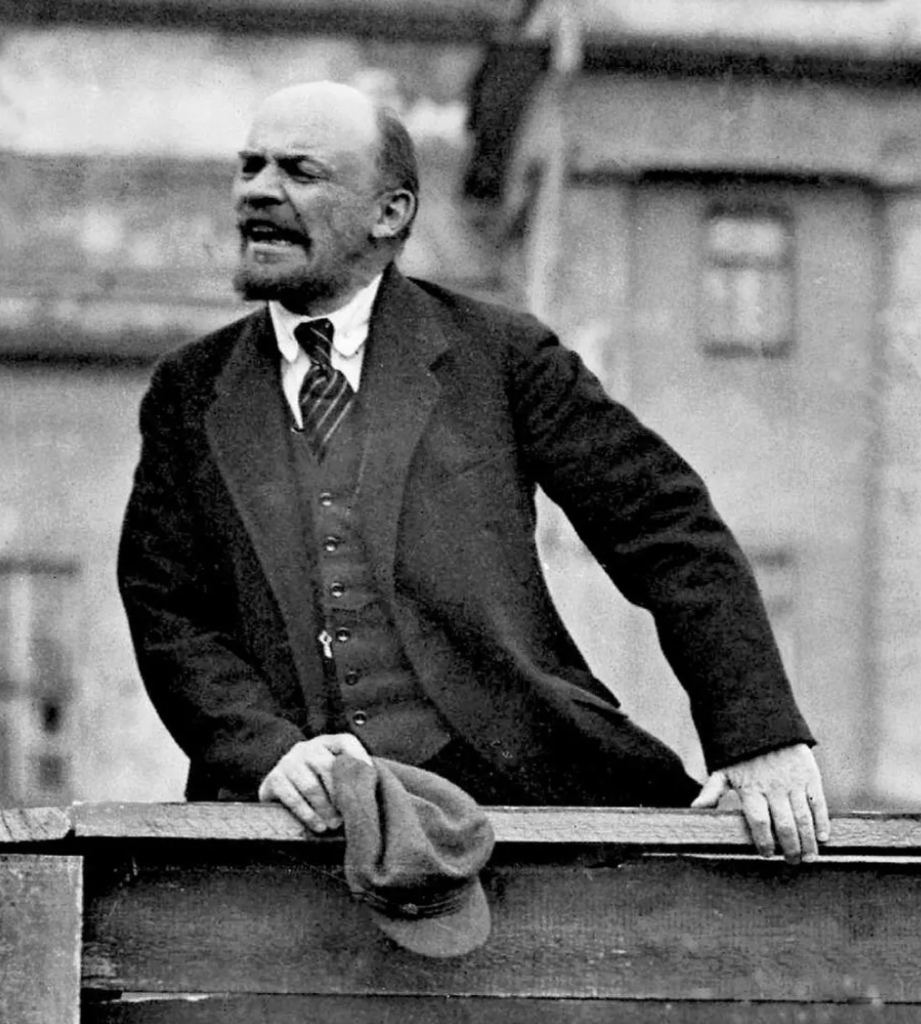
Vladimir Lenin identified its material base in imperialism: the extraction of superprofits from the colonized world allows the bourgeoisie to bribe a stratum of workers who then act as capital’s agents inside the movement, absorbing dissent and channeling it safely into the existing order.
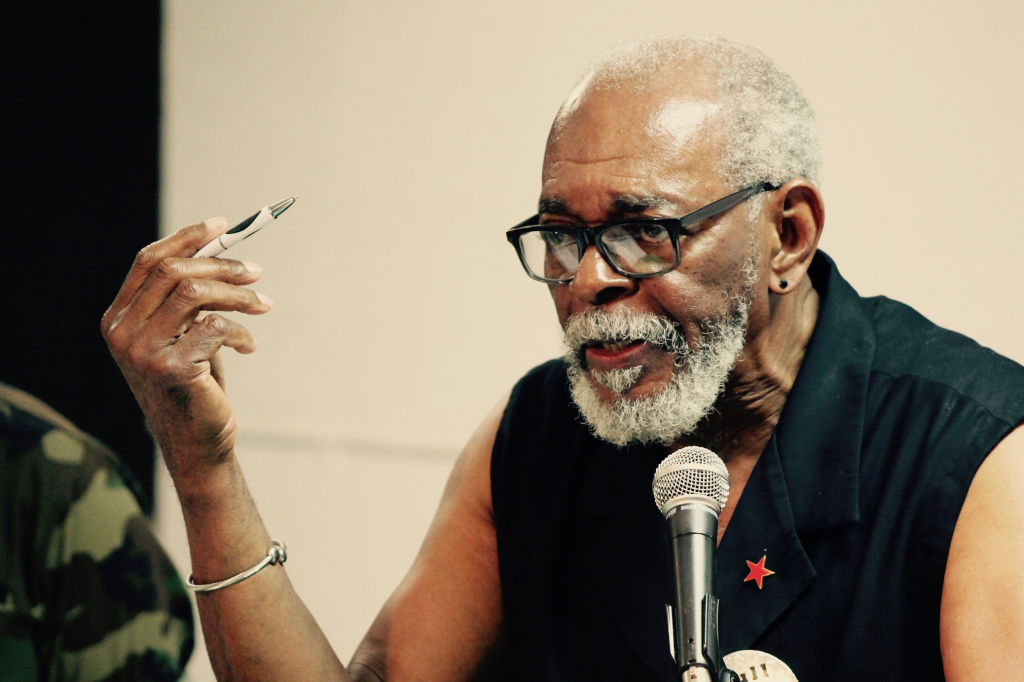
Chairman Omali Yeshitela’s African Internationalism pushed this analysis further. He argued that in settler-colonial societies built on slavery and genocide; the social bribe is not confined to union bureaucrats or party officials. It extends to the broader population of the oppressor nation, whose relative comfort is subsidized by ongoing colonial extraction.
The white left, in this account, is the political formation the bribe produces. It performs the aesthetics of opposition while defending the material conditions that sustain it, fluent in anti-colonial language while routing every genuine impulse back into the empire’s institutions.
Hasan Piker is the most successful left-wing political streamer in the United States, and he is a textbook instance of the white left Yeshitela described. It’s not that Piker is uniquely cynical or personally corrupt. The point is structural. He occupies a position and performs a function, regardless of his personal beliefs.
Piker’s favorite instruction is to focus on “material concerns”—things like wages, rent and healthcare—as hard-headed materialism against identity politics’s frivolities. In this, he betrays his lack of familiarity with Marxist theory.
What he calls “materialism,” Lenin diagnosed in 1902 as petty economism: reducing politics to the bread-and-butter fight, producing consciousness that bargains within capitalism instead of ending it. By that standard Piker is patently idealist.
In the same vein, his account of the 2020 racial justice collapse (that “the wokes” wrecked it with their scolding) locates the cause in attitudes. The materialist account traces the money: the largest protest wave in American history threatened the existing social order, and power answered with backlash, cooptation and liberation’s vocabulary poisoned by people paid to do it.
Piker’s other common instruction is to “be normal.” The phrase recasts revolutionary politics as immature sectarianism and substitutes accommodation for class struggle.
The military contradiction exemplifies this dynamic: right now so-called leftists on Twitter and Tiktok are defending military enlistment for its economic benefits while denying that same sympathy to police or U.S. Immigration and Customs Enforcement (ICE) agents recruited with identical financial incentives. One imperial treasury funds them all.
Yet, violence against the colonized abroad is metabolized into sympathy for the hard-up enlistee, while State violence at home is condemned as fascism. This selective empathy is the operational logic of the social bribe.
The same logic governs the weaponization of the “wrecker” label, deployed against anyone who insists racial domination is foundational. The effect is to demand the colonized pretend that what W.E.B. Du Bois refers to as the global color line (the racialized division of the world) does not exist, and to treat its acknowledgment as sectarian disruption rather than material reality.
There’s a counter-intuitive intellectual parallel in what’s being called “Afropessimism,” a movement (if you can call it that) that freezes black oppression into an unchangeable ontological fate. Piker dismisses idealist identity politics, yet both he and Afropessimism serve the identical ideological function: they hand the imperial-core intellectual a sophisticated excuse to avoid building interdependent, colonized-led organization–funneling energy instead into theoretical mourning or electoral management.
Much more telling is Piker’s silence on the Uhuru 3. When the Biden Justice Department indicted them on charges of acting as Russian agents, it presented a clear political test. When Nick Cruse of SocialistMMA and founder of the Revolutionary Black Network searched Piker’s archives, the platform yielded nothing.
In effect, Cruse exposed a structural erasure: covering the indictment honestly would have required amplifying a socialist formation that demands the white left subordinate itself to African liberation. This directly contradicts the class-reductionist hierarchy Piker’s rhetoric exists to enforce.
The silence is structurally necessary. Centering the Uhuru 3 would threaten the foundational myth that keeps his audience tethered to the imperial State, proving that his brand’s viability depends on rendering the empire’s most brazen attacks on independent colonized organizers invisible.
Piker has a go-to dismissive quip for anyone he considers too radical: go start the vanguard, and he’ll join. The line only works because he assumes there is no vanguard. But the African People’s Socialist Party has organized for the self-determination of colonized people for over 50 years. It survived a federal prosecution’s attempt to destroy it.
The Uhuru Solidarity Movement and the International People’s Democratic Uhuru Movement, exists precisely for white people and other colonized people, respectively, who want to build material anti-colonial power rather than just consume radical aesthetics. The vanguard Piker dares people to build already exists. Now will he join? (Seems unlikely.)
The social bribe does not require a literal envelope of cash; it operates through the daily reproduction of the colonizer’s material and ideological boundaries.
Piker’s silence on the Uhuru 3 is not an oversight. It is the exact metric of his integration into that bribe, demonstrating that his platform functions not to break the imperial order, but to manage the dissent it generates.
Join the Vanguard!
Visit APSPUhuru.org!


