

I didn’t learn about the role of women in books or school. All I had to do was look into my family to see what strength was. Even if, at the time, I did not recognize what they did as strong. These were working class African women managing day-to-day conditions and family life through pain and joy, triumph and failure.
Some of those failures were used to condemn and penalize them. But what often gets obscured is that those same women also provided joy. They gave me stability. They gave me life lessons that I would not understand until much later.
I believe it is that narrow view of women that we learn to trap ourselves with, a view that was created and reinforced by colonialism. Colonial society thrives on contradictions that dehumanize women. It voids us of complexity and treats us as if we cannot be fully human. Women are allowed very little room for mistakes. When those mistakes happen, they become permanent stains in the eyes of society, especially when they are connected to the care of family and household.
Yet when we look at African women’s lived reality, something very different appears. We begin to understand that men are often not the so-called “man of the house,” the king of the castle. In many African households it is the mother, the grandmother, the auntie, the sister who carries the weight of leadership. They organize the survival of the family. They manage the resources. They hold together relationships and emotional life. They make impossible decisions, sometimes with very little support.
And when we fail, when we trip up, the punishment is severe. African women are stripped of our dignity, judged harshly and sometimes socially exiled. But strength does not come from perfection.
Strength comes from struggle. Strength comes from the ability to confront mistakes, overturn them, and right what has gone wrong. That is the real work of leadership.
These are essential qualities of a leader at home, at work and in the world. Leadership is not simply about titles or recognition. It is about the daily responsibility of carrying a people through difficult conditions.
Leadership forged through struggle
Colonialism shapes how we see ourselves and how we see each other. It lives in our institutions, in our media and often in our own thinking. We are taught that leadership means imitating men or proving that we can do whatever men can do. But that is a shallow understanding.
The leadership of African women has never been about copying men. It has been about doing what African women have always done. We have organized survival. We have nurtured a community. We have resisted violence against our bodies and families. We have created culture, knowledge and engaged in political struggle even in the harshest conditions and it’s important that we raise up these contributions.
African women must lead
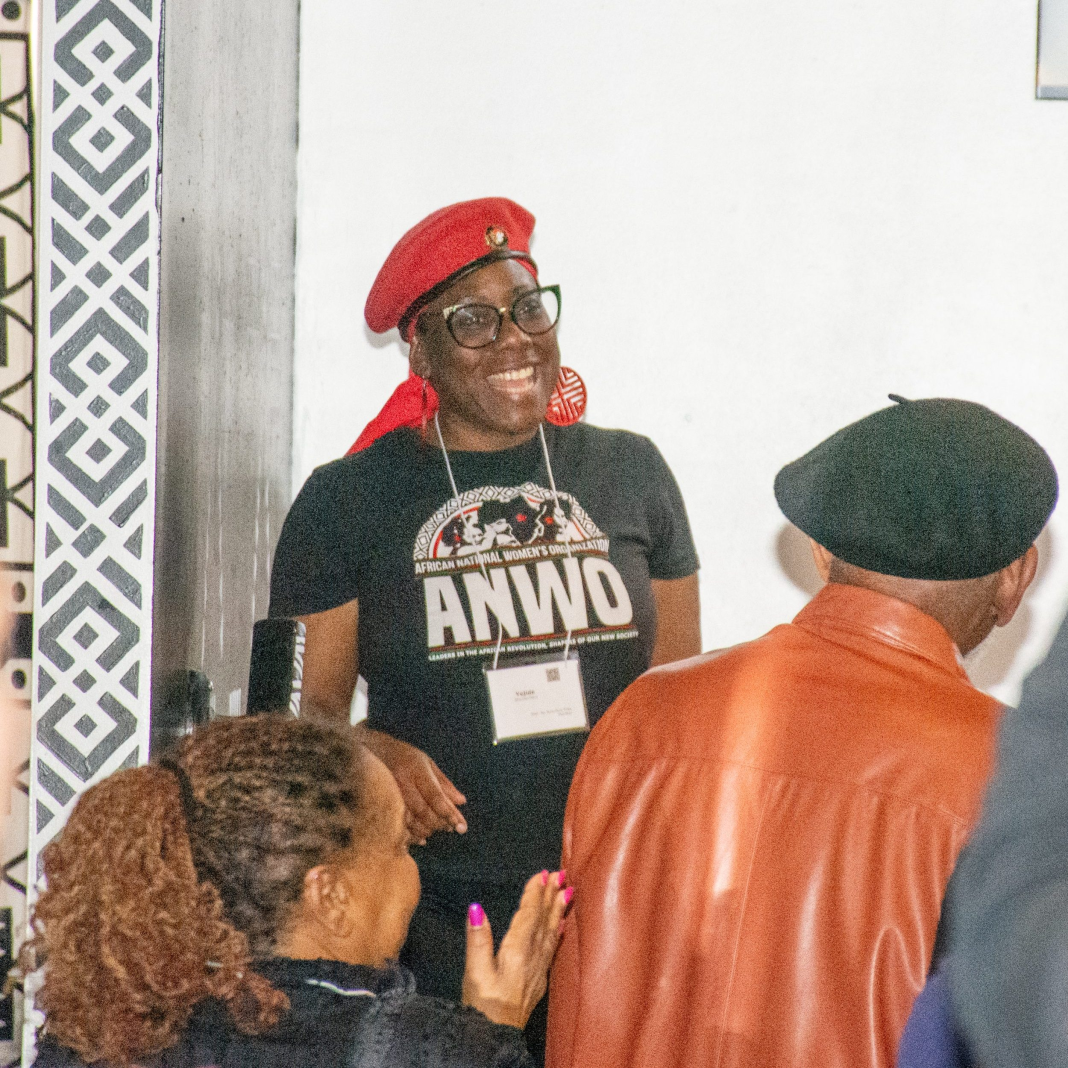
During the month of March, the African National Women’s Organization (ANWO) held African Women Must Lead events in Washington, D.C., Philadelphia and Brooklyn in collaboration with the International People’s Democratic Uhuru Movement. Our purpose was to bring together African women who embody the revolutionary spirit across all spectrums of our nation.
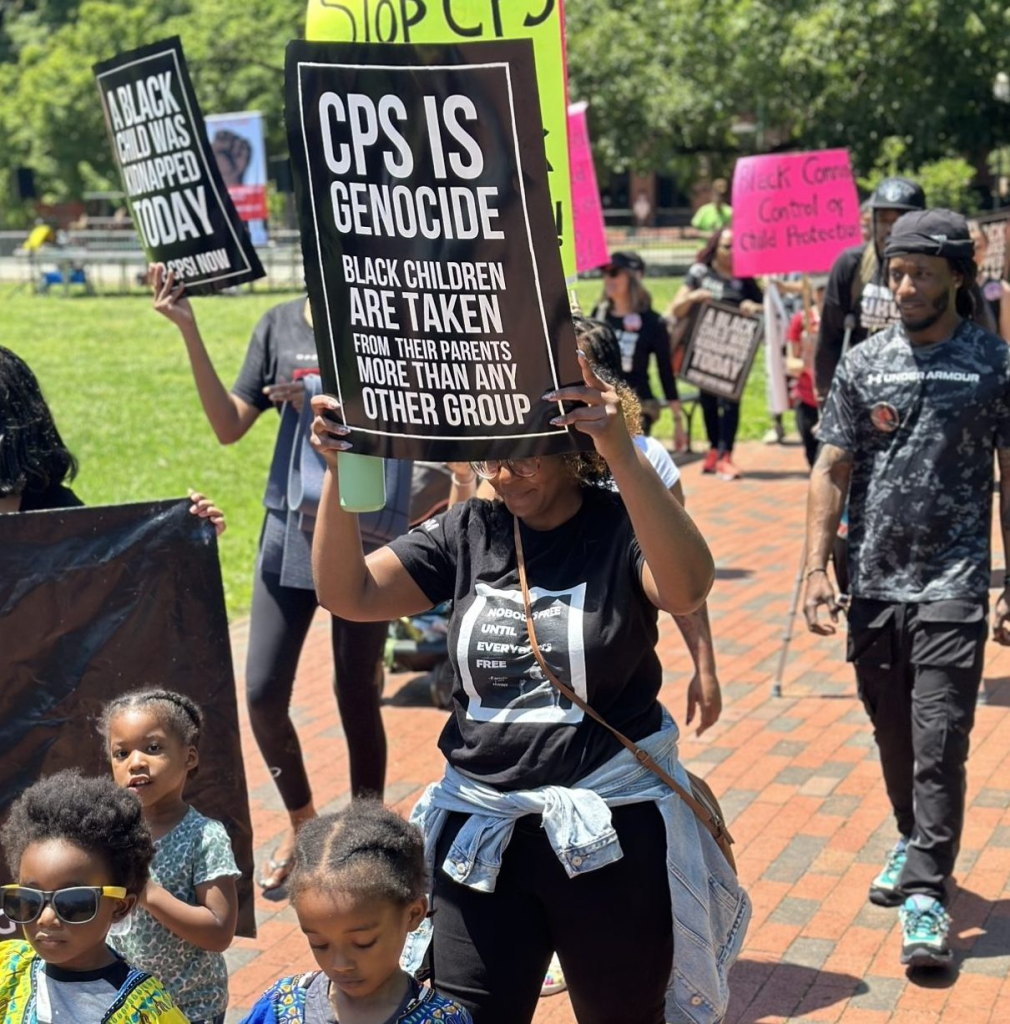
These were women who have organized in small and large ways. Some have led campaigns that challenge state violence and economic injustice. Some have built organizations that provide real resources to our communities. Others have held together families and neighborhoods for decades. Every one of these contributions matters.
Too often the leadership of African women goes unrecognized because it does not always look like leadership within the standards set by colonial society. The ways we lead are quiet at times and explosive at others. But they are always present. African women are the thread in the fabric of our communities. We hold together the social life of our people.
These gatherings reminded us that African women are not simply victims of oppression. We are strategists, organizers, and builders of the future. The conditions we face demand leadership, and history shows that African women have consistently stepped forward to meet that demand.
Organization is the path forward
But recognition alone is not enough. What we need is organization. The strength that exists within African women must be brought together through collective struggle. When we organize, our experiences become political power. Our leadership becomes a force capable of transforming the conditions facing our people.
This is why ANWO exists. ANWO was created to unite African women around the task of confronting the special oppression we face and contributing to the broader liberation of the African Nation. Our work is rooted in the understanding that African women are not on the sidelines of history. We are central to the fight for freedom.
If the lessons of our mothers and grandmothers have taught us anything, it is that survival is not enough. We must overturn the conditions that forced them to struggle in the first place.
The call today is clear. African women must lead.
Join the African National Women’s Organization. Organize with us. Study with us. Fight with us. The liberation of our people requires leadership and courage.
Join at ANWOuhuru.org/Join


