

U.S. attack on wedding met with forceful Iranian response
On September 1, the U.S. struck a wedding in Sirik in southern Iran, killing five, including a woman and a four-year-old child, and wounding at least 50.
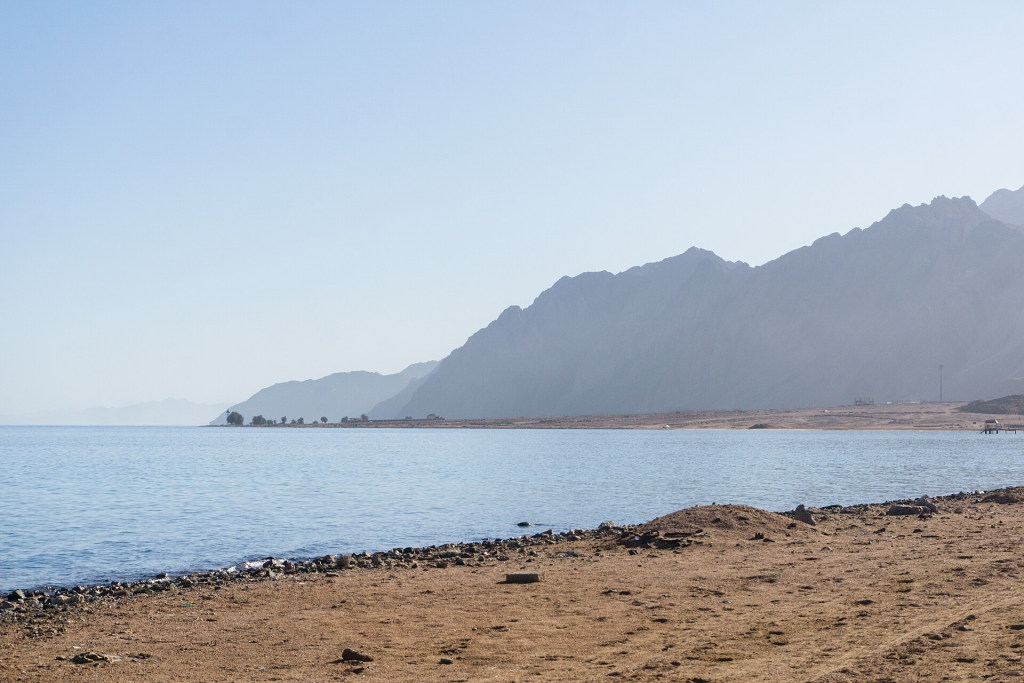
Iran hit back hard, striking Camp Titin, a U.S. Marine Corps camp on the Gulf of Aqaba; Muwaffaq Salti Air Base and Prince Hassan Air Base, all in Jordan; Harir and Erbil U.S. military bases in Erbil, Iraq; Sheikh Isa Base in Bahrain and several targets in Kuwait.
Iran’s attack forced the U.S. to use its interceptors. Iranian military reports the destruction of key facilities, attack helicopters and large numbers of U.S. soldiers killed.
Iran targeting Jordan means the U.S. was forced to withdraw to Jordan. Jordan is a critical U.S. defense hub in the region. The U.S. army secretary resigned.
Iran destroying the U.S. base in Bahrain, which served the U.S. fifth fleet, forces the U.S. to go as far as the Diego Garcia island base and Singapore to resupply.
Munitions are low. With 20,000 U.S. sailors and marines, it takes 420,000 meals and 8 million gallons of fuel per week to sustain them.
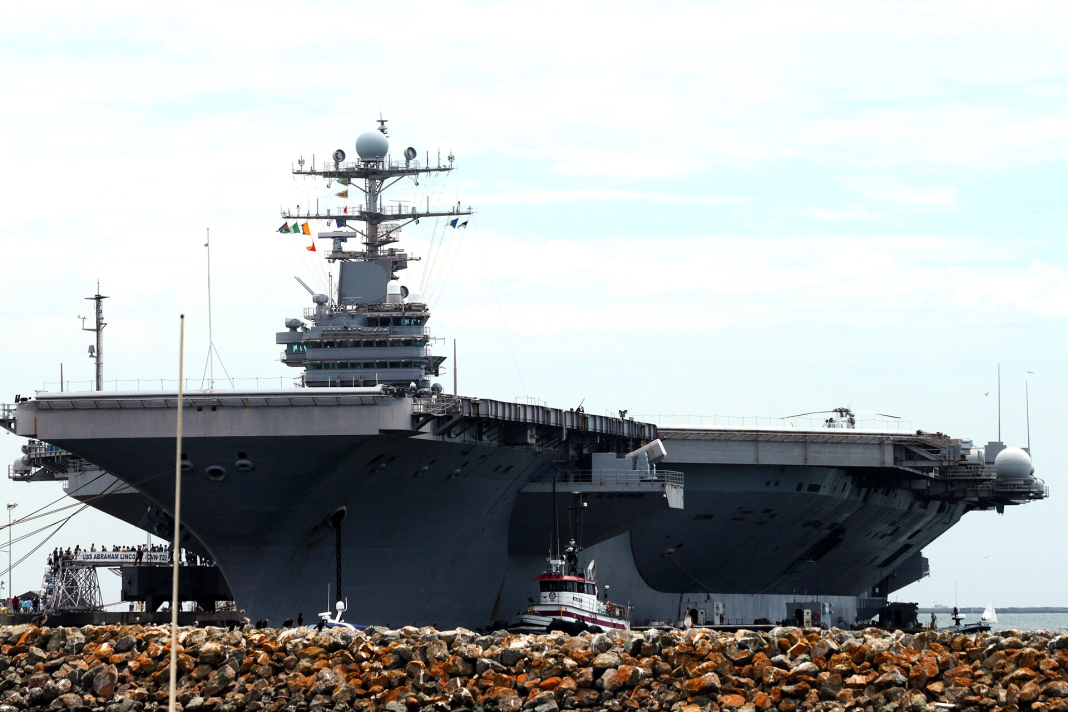
The USS Abraham Lincoln arrived in Thailand, where 5,000 U.S. soldiers disembarked after 286 days at sea and were told not to speak to the media about the conditions on the ship.
Iran shifts to pre-emptive strikes
Iran got intel that the U.S. would attack from Jordan, and on Friday, September 4, Iran declared that pre-emptive strikes could be defined as legitimate self-defense under international law anywhere they feel threatened.
For the first time, Iran fired Qassem Basir medium-range ballistic missiles at ships in the Strait of Hormuz under U.S. navy escort. Fifteen are reported dead.
The U.S. denied there were attacks despite multiple eyewitness accounts and a report by Al-Arabiya. Gulf states face economic collapse. Sports events were moved to Paris and Malaysia or were cancelled. Tourism, investments and mega-projects are shriveling.
Oppressed people such as Iranians taking back their resources deepens crisis of imperialism
As African People’s Socialist Party Chairman Omali Yeshitela has said, it is the struggle of oppressed people to be free and to control their own destiny that is imperiling the oppressor states and thus the colonial mode of production. The U.S. endeavors to isolate the struggle of Africans, Venezuelans, Iranians and others.
In the 1960s, the Black Revolution in the U.S. was seen as one of the points of leadership for the worldwide anti-colonial struggle. It is the struggle of the African working class and Indigenous people within the U.S. that must weaken the U.S. capacity to strike outside of the U.S.
As Chairman says all the time, in order to do this we have to organize within our communities! The power is in the people!
Join InPDUM or one of the other mass organizations in the Uhuru Movement!


